
Tree Trimming Northland
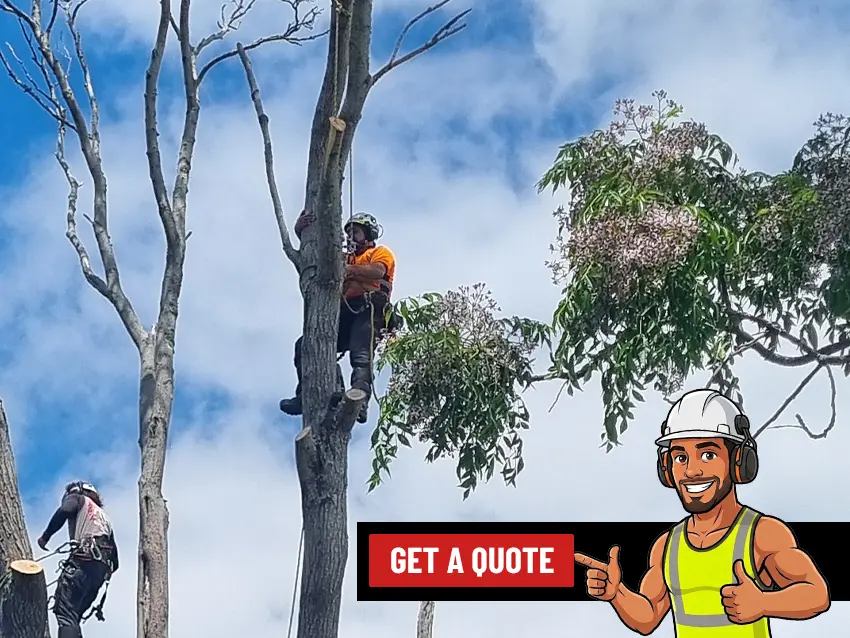 Regular trimming keeps your trees healthy, safe, and looking good. It also helps prevent the kind of problems that turn a manageable job into a major one. If branches are overhanging your roof, crowding power lines, blocking light, or showing signs of disease or deadwood, it’s worth getting a professional to take a look.
Arbor Aid’s arborists approach every tree differently. Before any trimming begins, we assess the tree, its condition, and its surroundings to work out the best approach. The method we use depends on what you need and what the tree needs. Crown thinning opens up the canopy to improve light and airflow without changing the tree’s overall shape. Crown lifting removes the lower branches to create clearance underneath. Crown reduction brings the overall size of the tree down gradually, which suits trees that have outgrown their space. Where there’s deadwood or damaged branches posing a risk, we remove those first.
We also carry out directional pruning for trees growing toward structures, fences, or power lines, which is common on both residential sections and rural properties across Northland. Getting this right requires experience, because poor pruning cuts can do lasting damage to a tree’s structure and long-term health.
All trimming work is cleaned up and cleared from your property once the job is done. Green waste is chipped on-site, and any wood or mulch can be left behind if you’d like it.
Arbor Aid services Whangarei, Kerikeri, Kaitaia, and the wider Northland region. Get a free, no-obligation quote. Request a Quote
Tree Trimming Techniques
We use a variety of techniques at ArborAid, the most commonly used ones are outlined below:
- Windowing: trims away at particular parts of the tree, which is faster and cheaper. It’s an easy method that exposes different parts of the foliage that allow for stable regrowth.
- Dead Wooding: reduces the risk of branches falling and is a great way to prepare against severe weather. Dead wooding increases the tree’s resilience against infestations from insects and fungus.
- Crown Lifting: this technique is commonly used in suburban areas and has minimal impact on the trees. Crown lifting cuts away at the lower branches, which allows light through the canopy to lower lying plants. The light also prevents waterlogging on the ground and allows greater clearance for vehicles.
- Crown Thinning: thinning helps to prevent canker diseases and rubbing issues in your tree. We ensure to remove no more than 25% of the tree’s foliage, which offers a subtle opening in the canopy. Since removing too many branches does more harm than good, we stagger the heights at which branches are removed.
- Crown Reduction: this particular technique gradually works alongside other pruning techniques to reduce the shape and size of your tree. Reduction is an aesthetic move that improves the healthy growth of your tree.
- Directional Pruning: Arborists are most commonly asked to do this in utility areas with powerlines, roads, buildings and structures that trees would otherwise obstruct. Although trimming has a blunter effect, it offers a more practical support.
- Topping: Although it might be a quick fix to get that evening view with your cup of tea, topping should only be used in consultation with an expert on younger trees. Incorrectly topping trees can actually be quite damaging in the long term in most cases.
